Long on Meds
Are your muscles aging you prematurely?
- A large part of visible aging is sarcopenia — the gradual loss of muscle mass, strength, and physical reserve.
- Chronic inflammation helps drive many changes associated with aging, including muscle loss, frailty, slower recovery, and vascular and metabolic disease.
- Long on Meds has analyzed more than 130 commonly prescribed generic medications. The research shows how carefully selected combinations may reduce activity across three major inflammatory pathways.
- The goal is muscle preservation and disease avoidance. Live long by not dying.
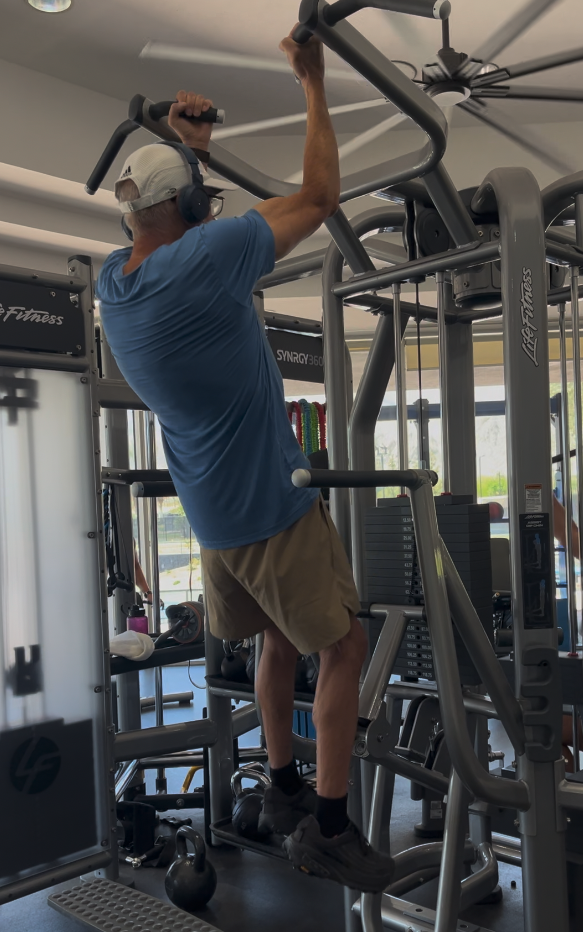
Physical reserve is the goal.
Established medications. Published pathway evidence. Physician-guided discussion.
Start here
Muscle Reserve Check
Answer five functional questions and use the 30-second chair stand test as an objective modifier. Both tests are based on scientifically validated screening tools.
Medication lookupCheck up to five medications
See whether selected medications have evidence of activity in NF-κB, NLRP3, and oxidative stress pathways.
BiologyInflammaging Pathways
Learn how these three pathways influence chronic inflammation, metabolic stress, and muscle reserve.
Long on Meds Blog
How Muscle Reserve Contributes to Lifespan
Muscle reserve protects mobility, independence, vascular health, glucose control, and recovery from illness or injury.
Long on MedsLive Long by Not Dying: Why Disease-Modifying Drugs Matter
There are no proven human longevity drugs, but disease-modifying medications can reduce the risk of dying early from treatable conditions.
Long on MedsRepurposing Generic Medications to Reduce Chronic Inflammation and Muscle Loss
Common medications may have useful pathway effects beyond their original prescribing purpose.
Evidence library
The References and Evidence Library organizes the supporting literature by medication class, pathway biology, inflammaging, sarcopenia, and the Muscle Reserve Check.
Review the evidence library